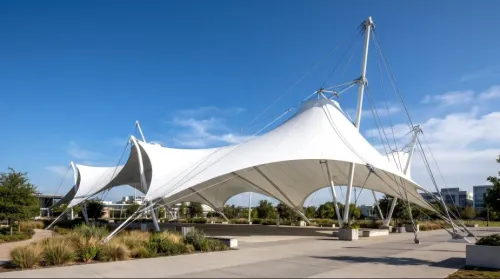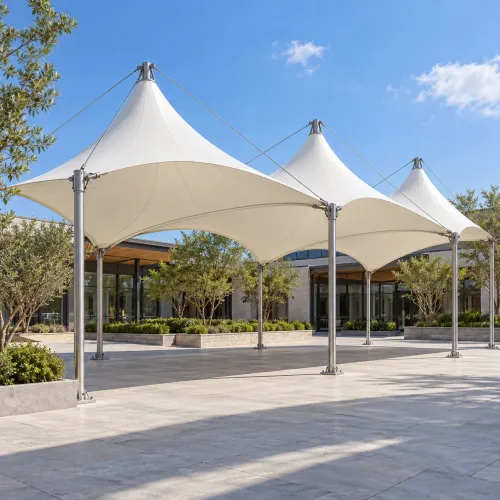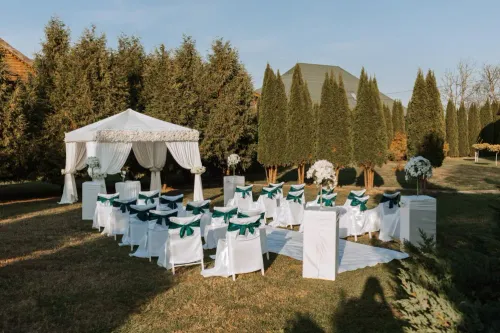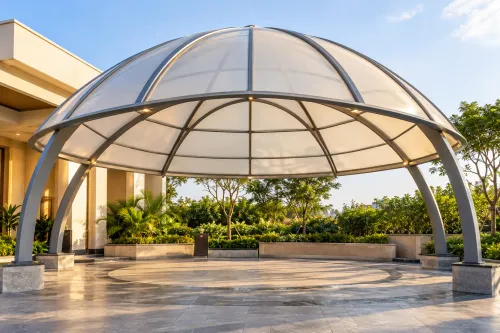
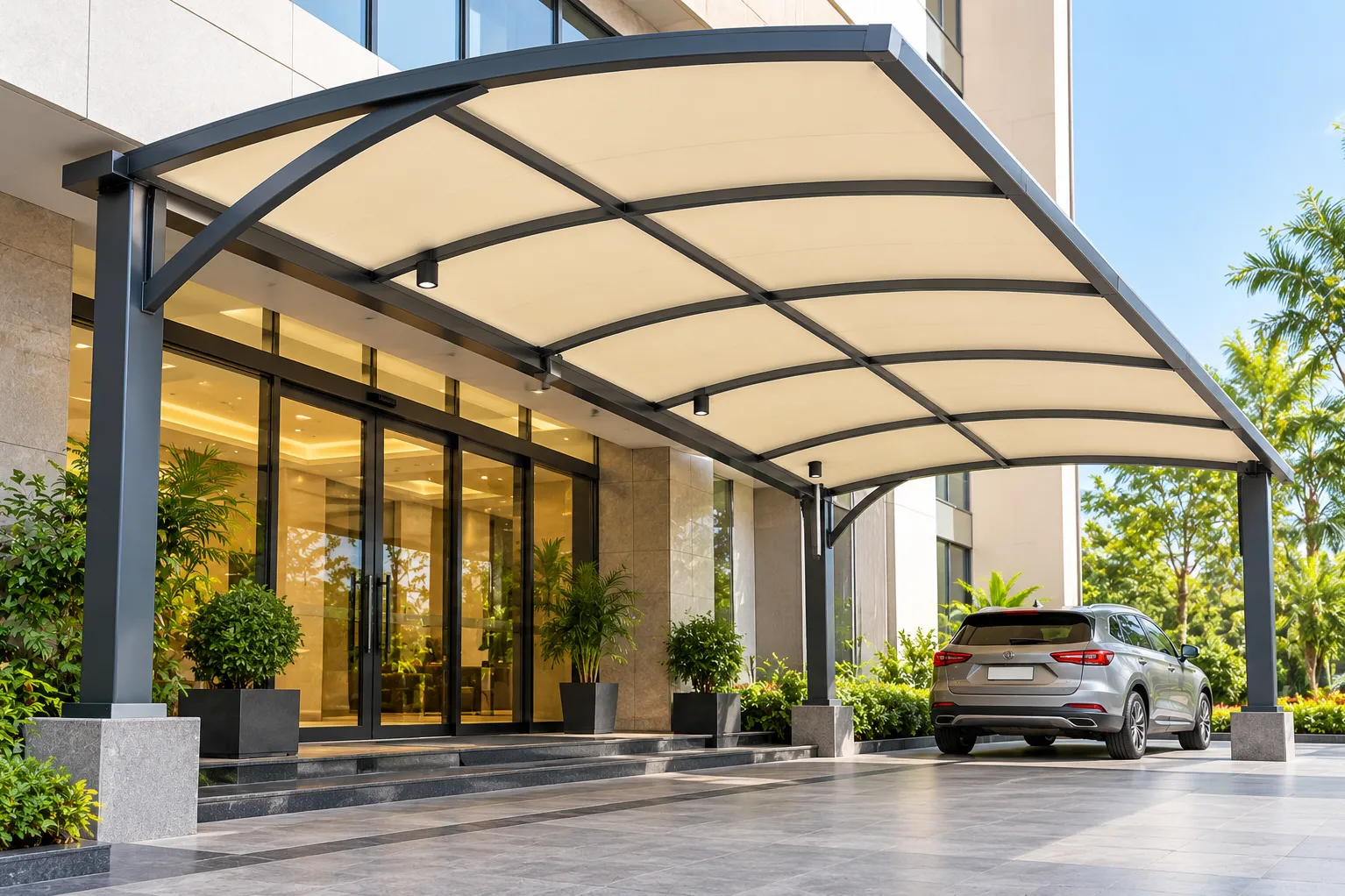
Canopy Fabrication Services can provide focused coverage where constructing a large permanent roof would be unnecessary or impractical. Canopies are commonly installed over entrances, windows, parking bays, loading points, terraces, pathways, security cabins, and customer waiting areas.
For properties in Nagpur, canopy design should respond to both weather exposure and the architecture of the building. The goal is to create useful protection without making the addition appear oversized or disconnected from the property.
Choose the Canopy Based on Purpose
Different applications require different design priorities.
An entrance canopy should protect people approaching the doorway while complementing the facade. A parking canopy needs enough projection to cover vehicles effectively. A loading-area canopy may prioritise clearance and operational access.
Before requesting fabrication, define:
- Area requiring coverage
- Expected users
- Required projection
- Available support points
- Clearance requirements
- Drainage direction
- Desired appearance
This makes it easier to evaluate possible structural configurations.
Compare Roofing Options
Canopies can use different roofing materials depending on the project.
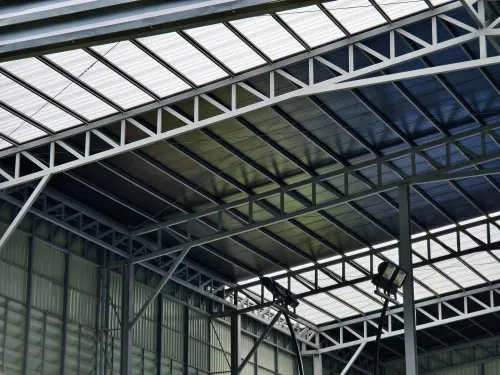
Polycarbonate can suit applications where natural light is desirable. Tensile membranes can create lightweight architectural forms. Metal roofing may be suitable for utility or industrial areas.
Material selection should consider exposure, span, appearance, maintenance, and performance rather than price alone.
Check Support Locations
Canopies may be supported using columns, building-mounted members, or a combination of structural elements depending on the design.
Existing buildings should be assessed before assuming that a canopy can simply be attached to a wall. The condition of the supporting surface, connection details, projection, and loading need proper evaluation.
Where columns are required, their positions should not obstruct vehicles, doors, pathways, or business operations.
Look Closely at Drainage
Canopies collect rainwater that previously fell across a wider open area. That water needs a controlled discharge route.
A roof that sends concentrated runoff toward an entrance can create a new problem while solving another.
Slope, guttering where required, outlets, adjoining surfaces, and existing site drainage should therefore be considered during design.
Evaluate Fabrication Quality
Good fabrication is visible in more than the final paint finish.
Look for appropriate structural proportions, consistent geometry, properly executed connections, secure anchoring, neat roofing installation, and suitable surface preparation.
For architectural canopies, finishing quality becomes especially noticeable because the structure is often positioned prominently near the front of a building.
Consider Future Maintenance
A canopy will remain exposed to outdoor conditions throughout its service life.
Property owners should be able to inspect roofing, connections, drainage areas, protective finishes, and other components periodically. Designs that trap leaves or make cleaning unnecessarily difficult may require more maintenance.
Ditya Tensile & Fabrication works with residential, commercial, institutional, and industrial customers seeking customised fabricated structures in Nagpur. Site-specific measurements can help establish a canopy configuration that suits both functional requirements and existing construction.
Selecting Canopy Fabrication Services should therefore involve more than choosing a roof shape from a catalogue. Start with the purpose of the covered area, evaluate materials, review structural supports, confirm drainage, inspect fabrication standards, and consider long-term upkeep. These practical checks help create a canopy that looks appropriate while performing its everyday function effectively.
Keywords